Cost-free shipping from 149€ with DHL GoGreen




How Smart Home technology can help you save energy
Imagine coming home after a long day to find your house comfortably warm, your lights set to the perfect brightness, and knowing you've saved both money and energy. It’s not just a dream—with smart home technology, it's a reality that's simpler to achieve than ever.
At Homedia, we believe smart homes should be accessible to everyone, offering not only comfort and convenience but significant savings on your energy bills. Here are three powerful ways to turn your home into an efficient, eco-friendly haven.
Smart Thermostats: Your Best Friend for Energy Saving
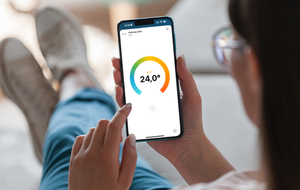
One of the easiest and most effective ways to reduce your energy consumption is by installing a smart thermostat. These intuitive devices help you control your heating and cooling systems precisely and efficiently, significantly reducing wasted energy and lowering your bills.
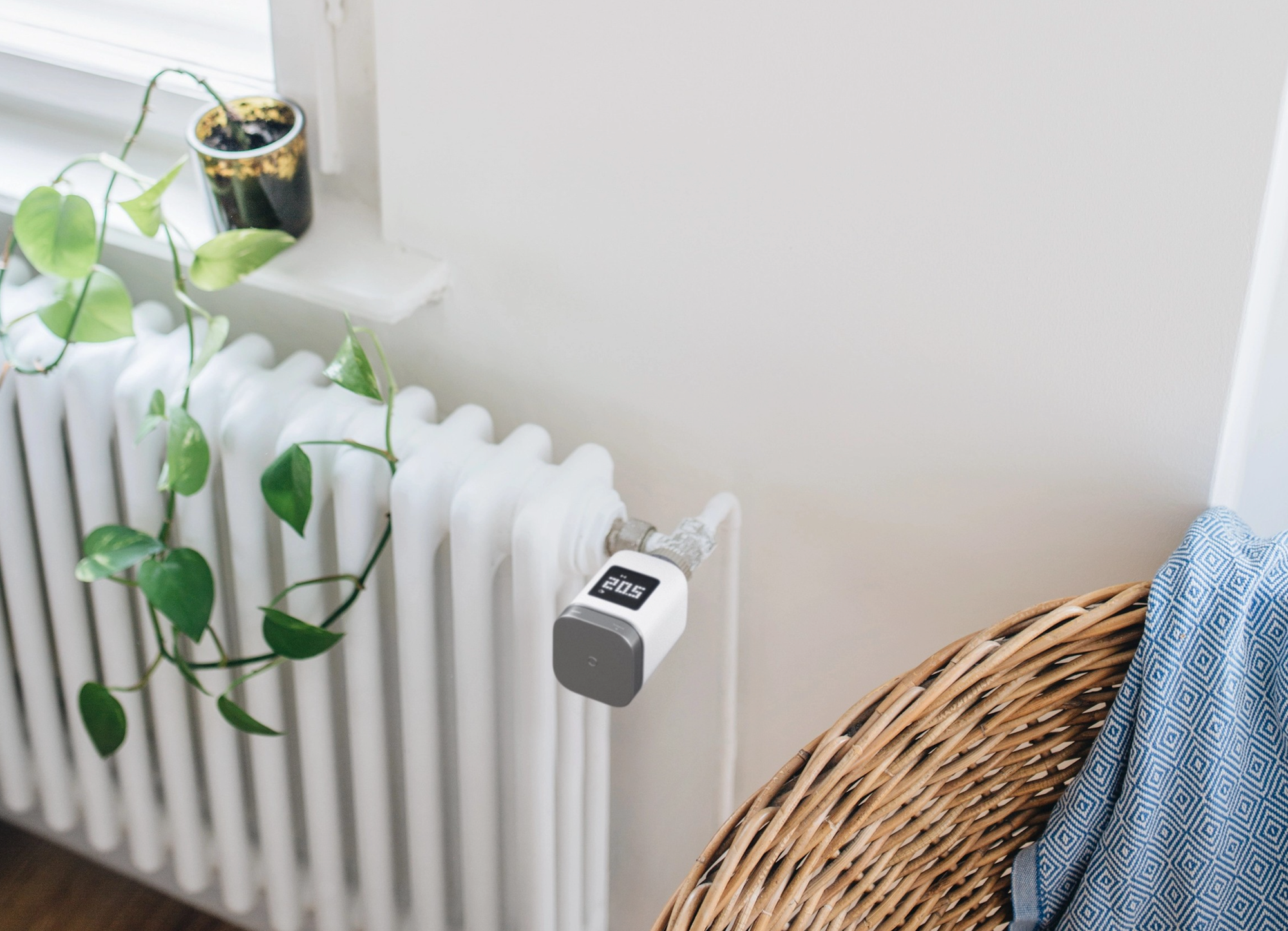
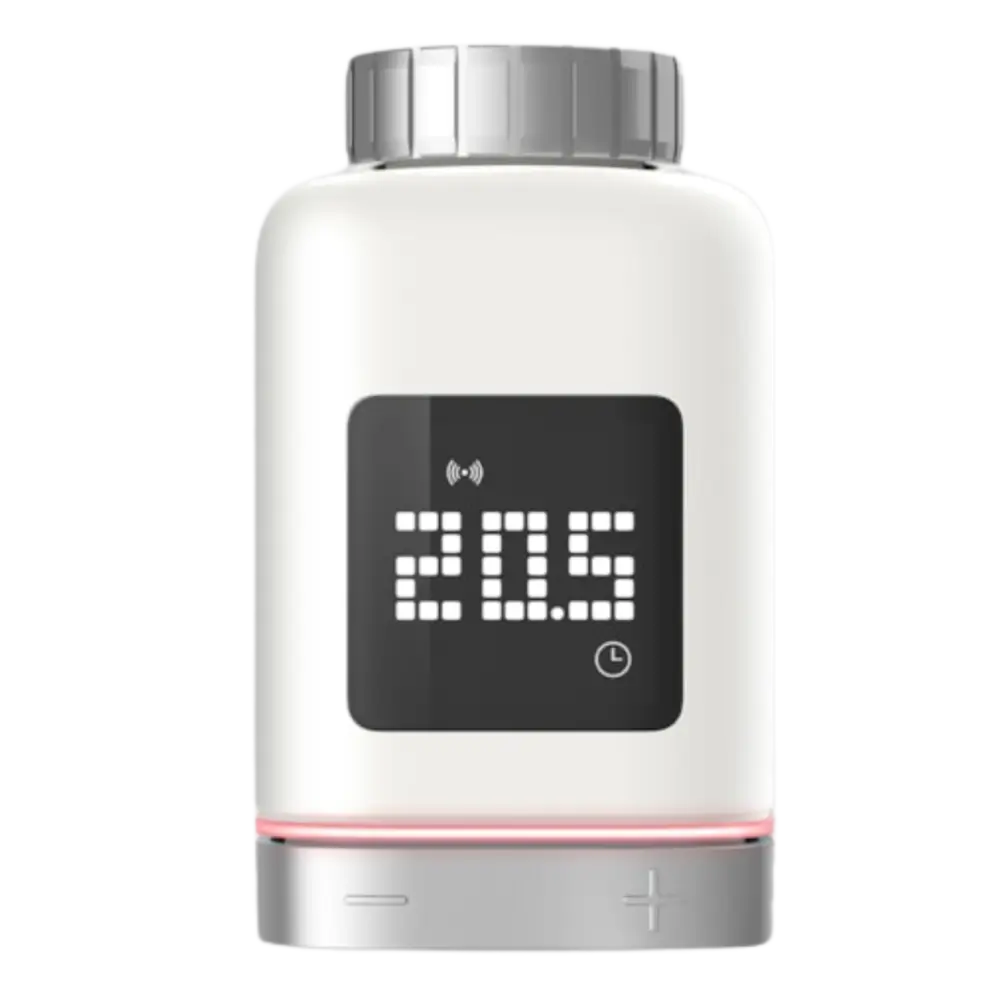
If your home uses radiators, replacing your traditional radiator valves with smart thermostats, like the Aqara Radiator Thermostat, is straightforward and usually doesn't require a professional installer. Simply swap out your old thermostat, and immediately start benefiting from customized temperature control.
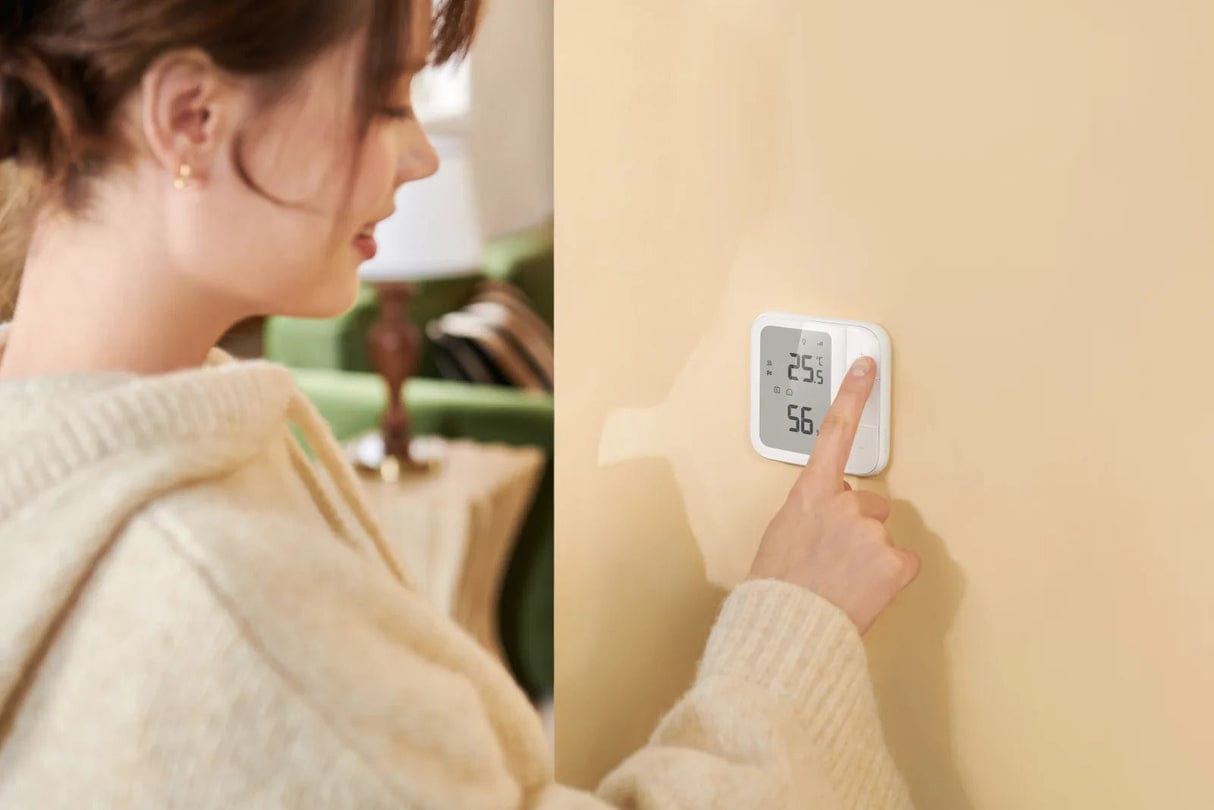
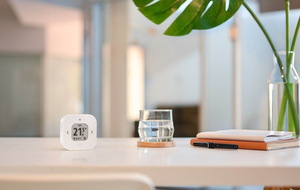
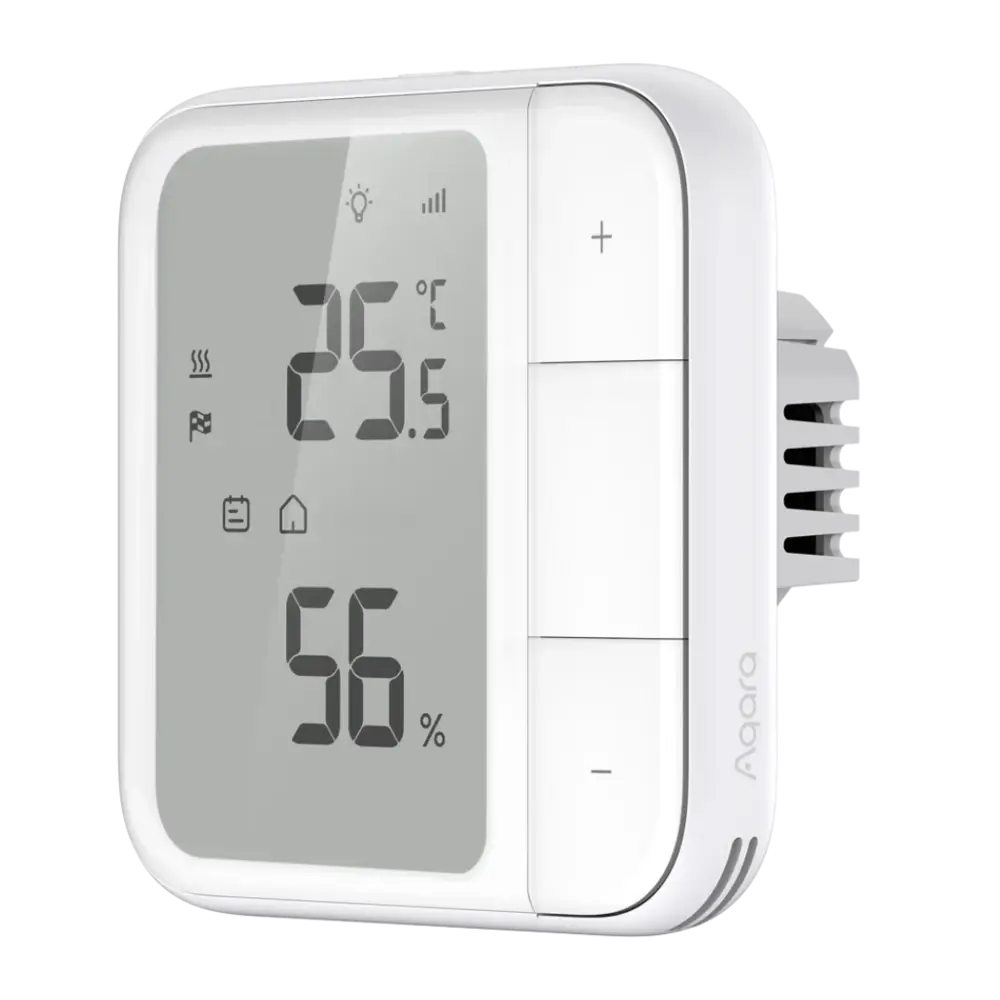
For homes with wall thermostats, upgrading to a smart version such as Aqara's Smart Thermostat is equally simple and impactful. This device learns your routine, adjusts automatically, and allows you to remotely manage your home's temperature, ensuring you only heat or cool your home when necessary.
Smart Lighting: Brighten Up Your Home Efficiently
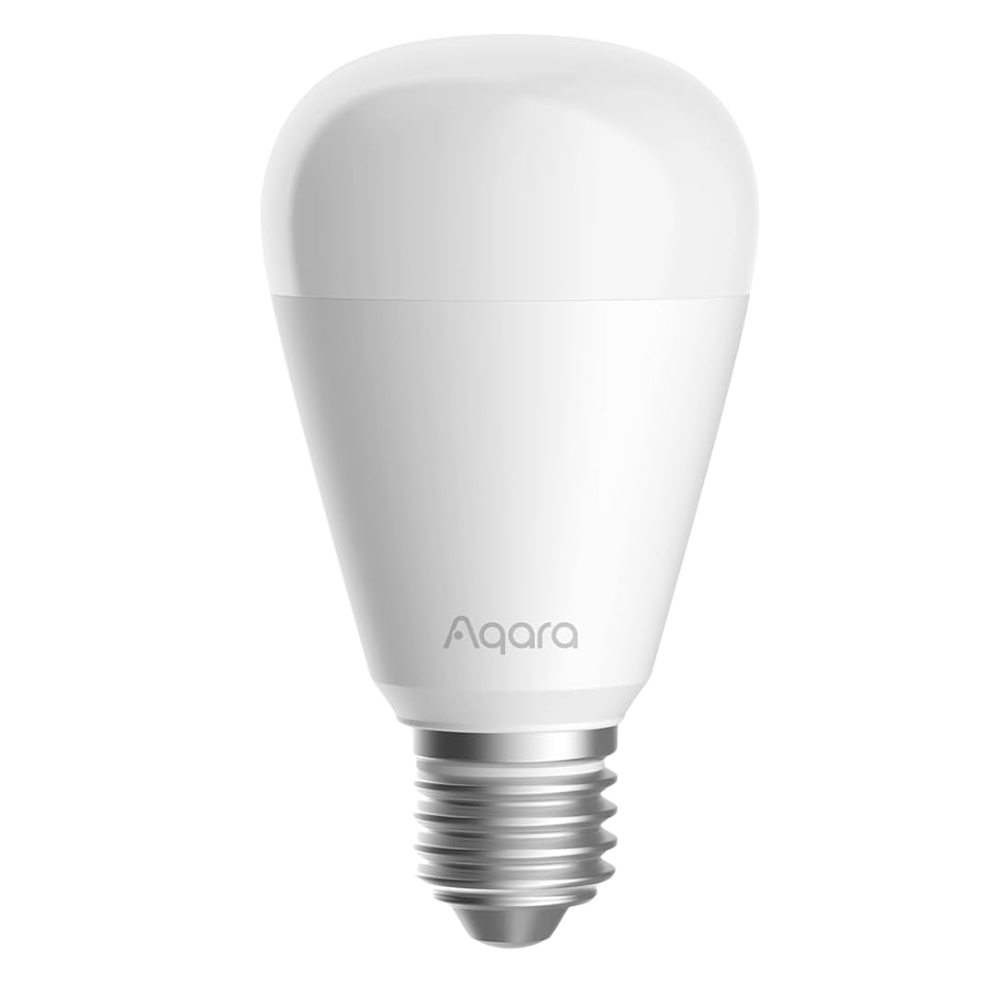
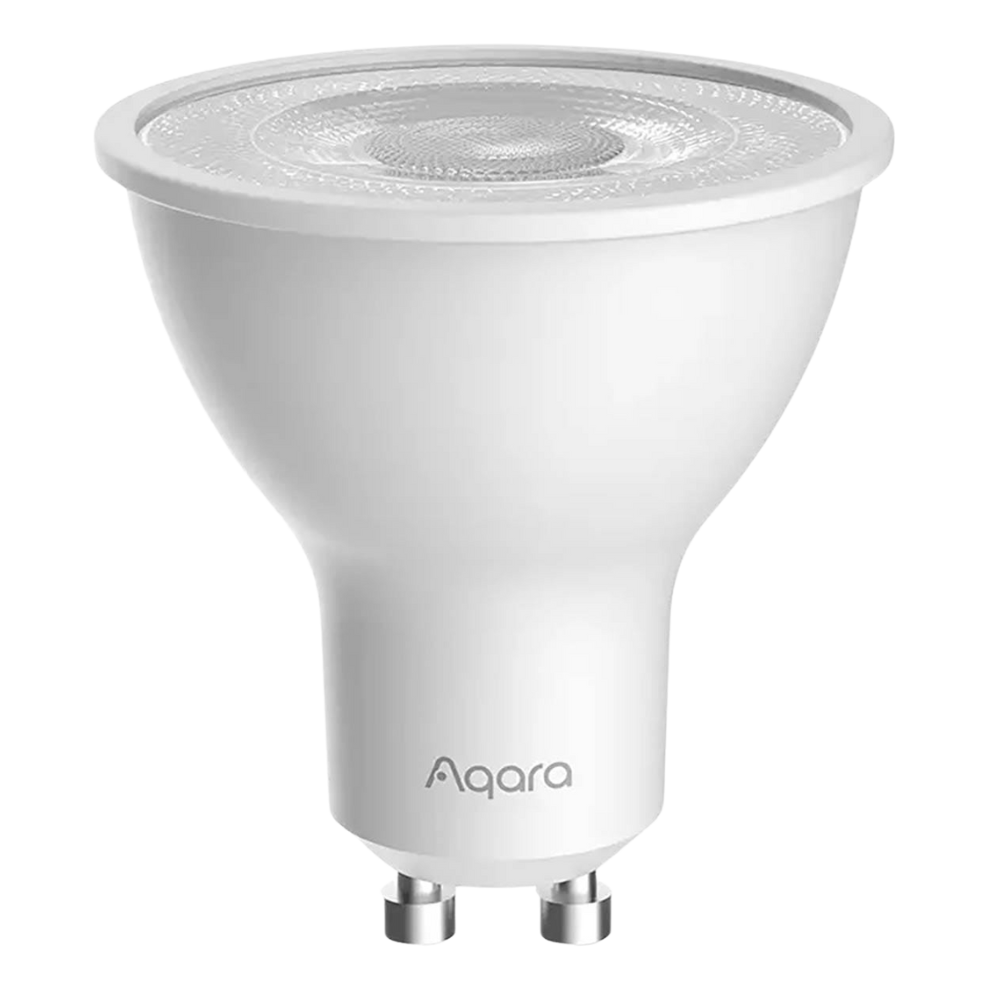
Lighting often accounts for a significant portion of your household electricity bill, but it doesn't have to. Smart lighting solutions like Aqara’s energy-efficient E27 and GU10 bulbs provide complete control over your home’s illumination. These LED bulbs are highly efficient, saving you up to 80% on lighting costs compared to traditional bulbs.

With smart lighting, you can easily set schedules, adjust brightness remotely, or automate your lights to turn off when a room is unoccupied. This reduces unnecessary energy use and creates a more comfortable living environment tailored exactly to your needs.
Smart Plugs: Turn Traditional Devices into Smart Ones
Not all energy-saving solutions require buying entirely new appliances. Smart plugs offer an affordable and easy-to-use option that turns your existing devices into smart appliances.
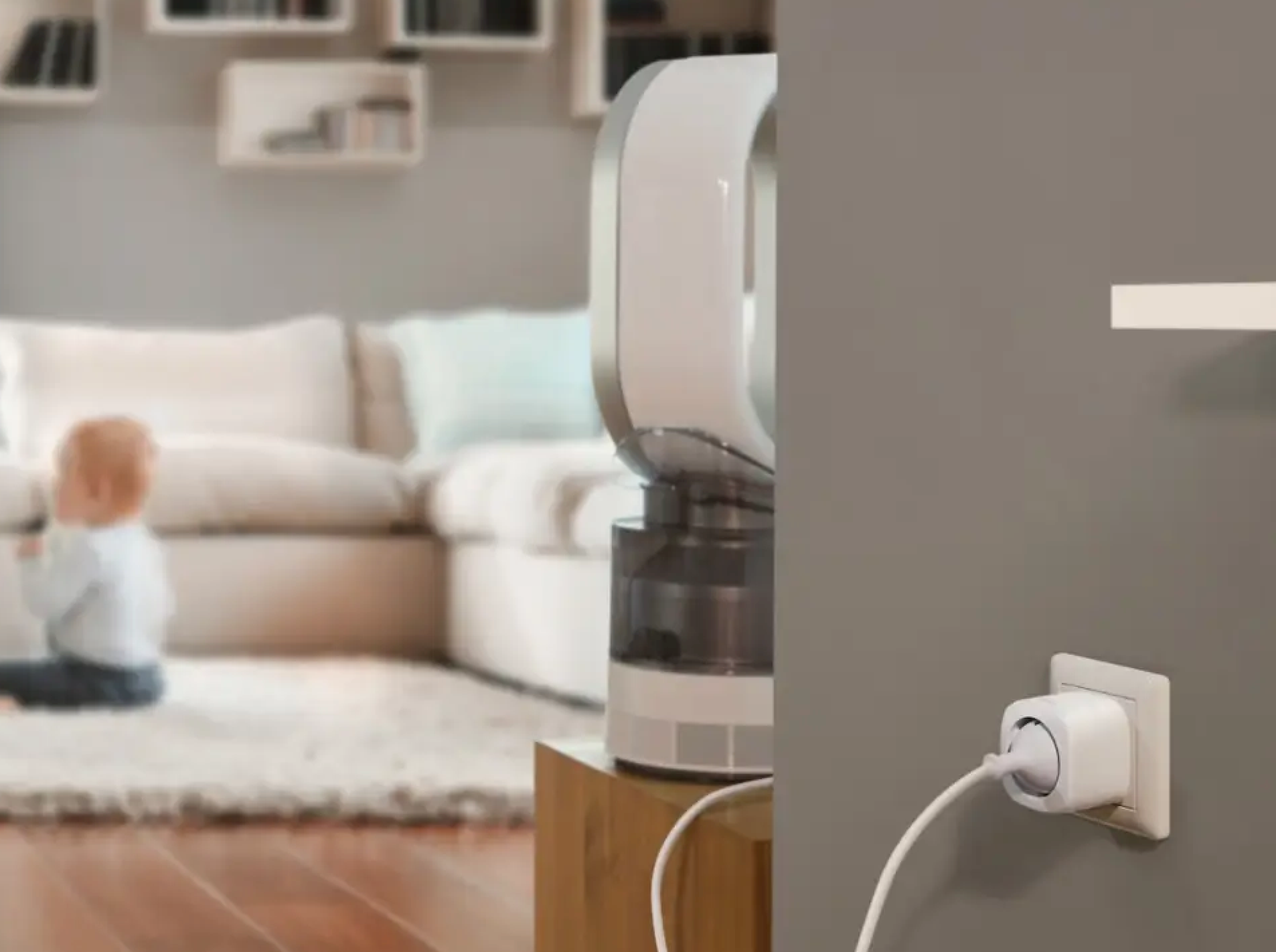
By connecting traditional devices to smart plugs, you gain the ability to control their power usage remotely. Forgot to switch off your coffee machine or television? No problem—simply turn them off from your smartphone, wherever you are. Smart plugs also help you schedule your devices to run during off-peak hours, further reducing energy costs.
Track Your Energy Savings in Real-Time
Another advantage of these smart solutions is that they often include built-in energy monitoring. Seeing real-time data about your energy usage helps you make informed decisions and motivates you to adopt smarter, more sustainable habits.
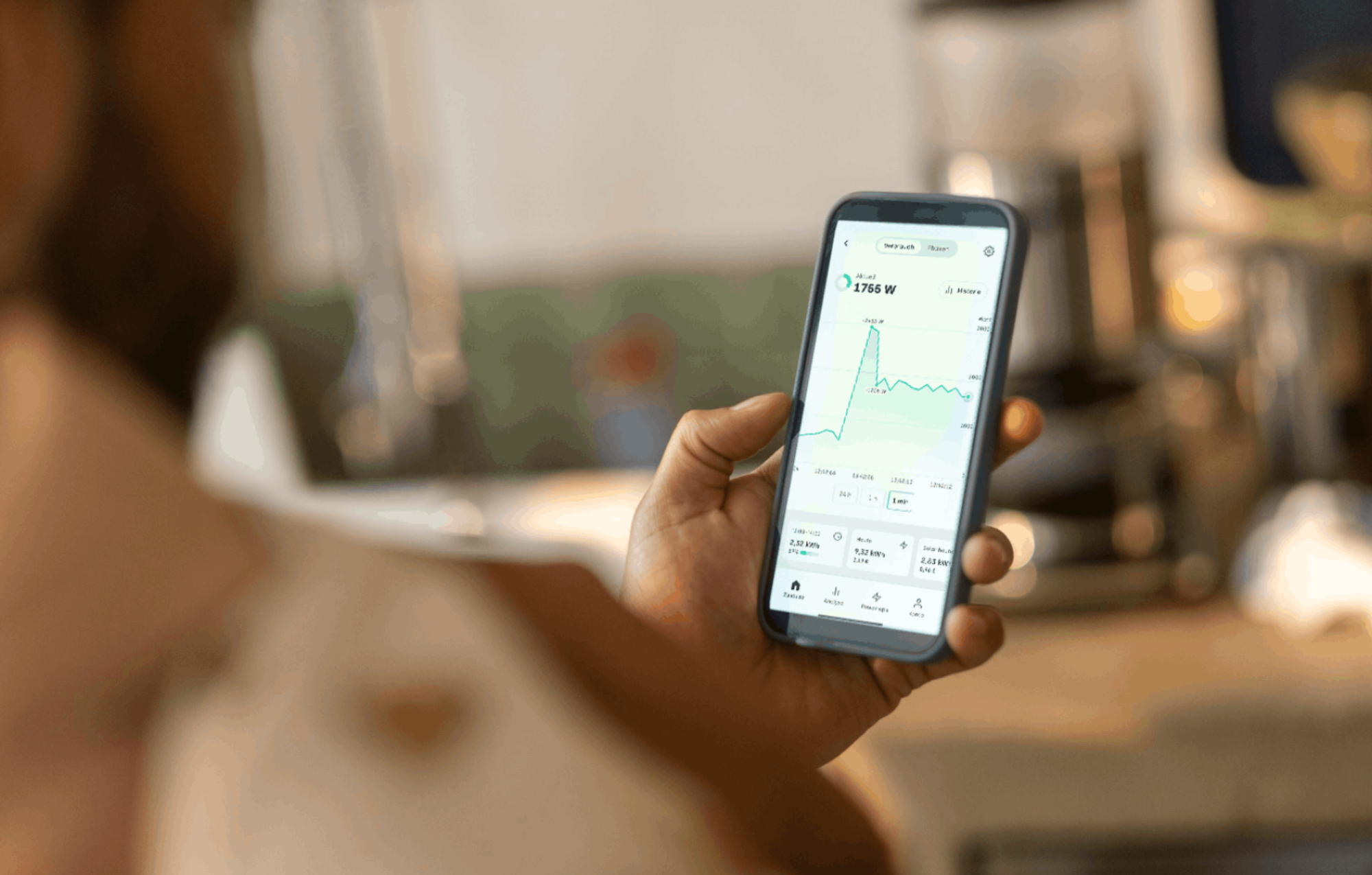
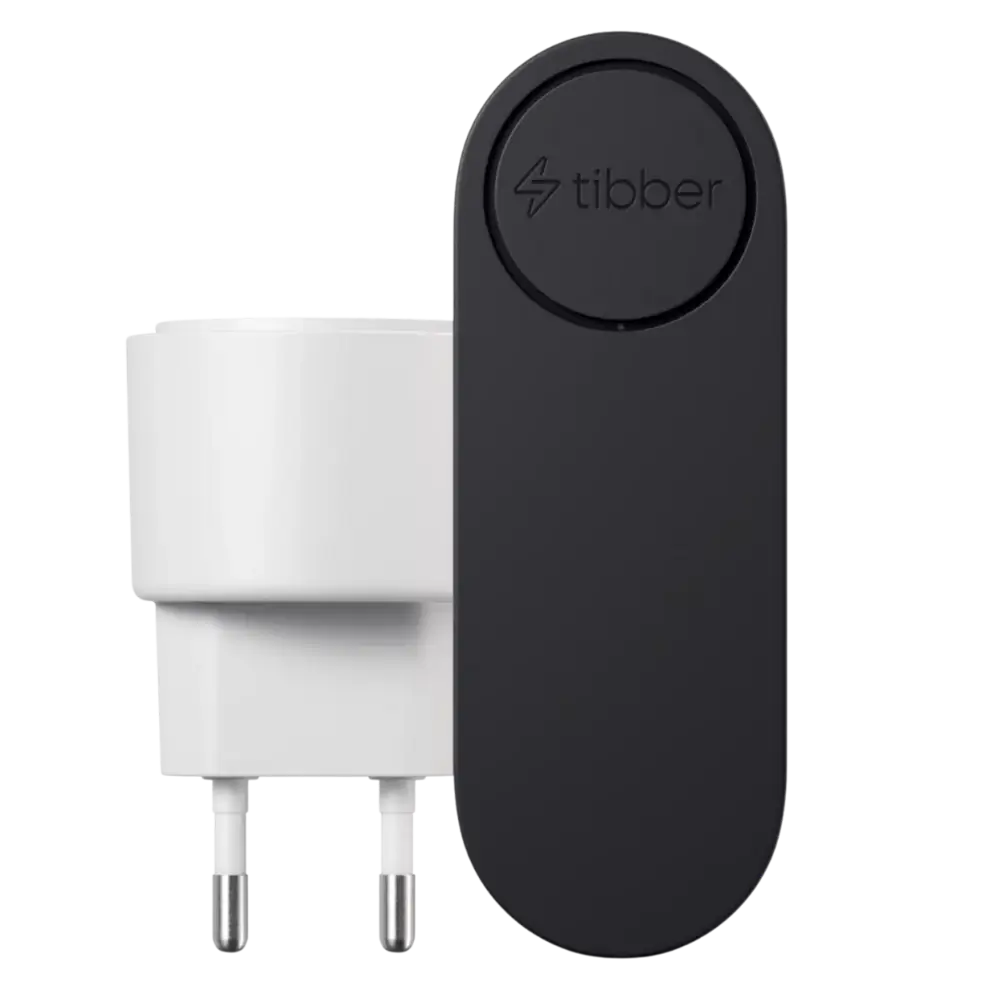
To gain even deeper insights into your home’s energy consumption, consider using the Tibber Pulse from Tibber. This innovative smart energy sensor attaches directly to your electricity meter, providing real-time tracking of your overall household electricity usage right on your smartphone. With detailed analytics and instant notifications, Tibber Pulse helps you identify energy-intensive devices, optimize usage patterns, and significantly reduce your electricity bills—all in an intuitive, user-friendly app.
Frequently Asked Questions
How much electricity can you save with a smart home?
With smart thermostats, LED lighting, and smart plugs, you can save an average of 10 to 40% on your energy costs. Heating alone is the biggest lever: up to 30% lower heating costs through automatic setback when you are away. Smart LEDs reduce lighting costs by up to 80% compared to old incandescent bulbs. How much you actually save depends on your usage habits and the condition of your building.
Which smart thermostat is the best value?
For radiators, thermostats like the Bosch or Aqara Radiator Thermostat are ideal: installed in 10 minutes without tools, they save up to 30% heating energy per room. Wall thermostats are better suited for underfloor or zone heating. Look for Matter or Thread support so you are not locked into a single brand. The Homedia configurator helps you find the right model for your heating system.
Do smart plugs work with older appliances?
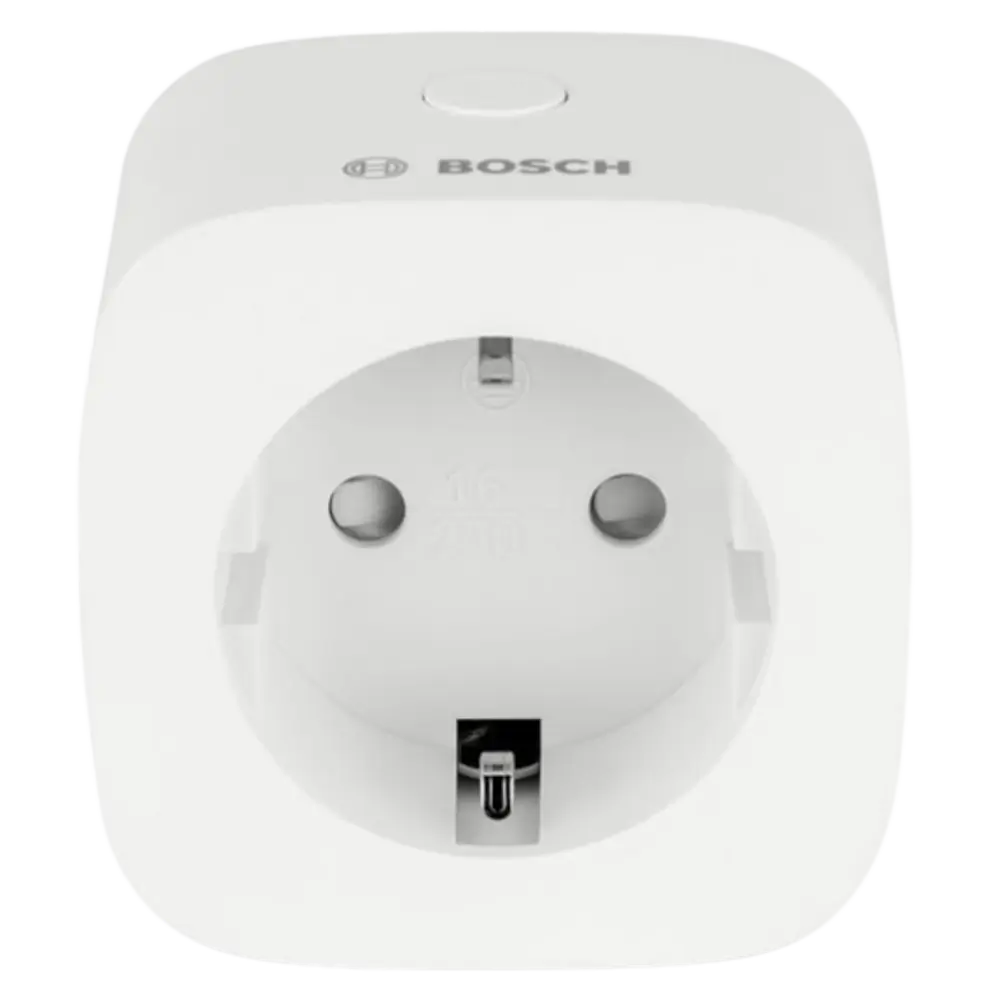
Yes. Smart plugs like the Bosch Smart Plug make any device with a standard power plug remotely controllable, including coffee makers, lamps, TVs, and routers. You plug them between the device and the outlet, pair them via app or hub, and then control them by smartphone, voice command, or schedule. Many models also measure power consumption in real time.
Is a smart home really worth it for saving energy?
Yes, when the devices are used specifically for efficiency rather than just as gadgets. Studies (Fraunhofer IBP, Velux) confirm 10 to 40% savings on heating and electricity. Radiator thermostats typically pay for themselves in 1 to 3 years, and smart plugs and LEDs even faster. Real-time consumption displays like Tibber Pulse help you spot hidden energy wasters immediately.
How much does a smart home for energy saving cost?
A practical energy-saving setup starts at around 170€ to 280€ (two radiator thermostats plus a hub) and scales with your home size. Smart LEDs start at about 13€ to 17€ per bulb, smart plugs from 28€, and a Tibber Pulse sensor from around 110€. For a typical two-bedroom apartment, expect initial costs of 330€ to 660€, which pay for themselves within 1 to 3 heating seasons.
How does a smart home measure electricity usage in real time?
Real-time measurement works in two ways: device-specific through smart plugs that show the connected device's consumption in watts, or whole-home through a smart meter sensor like Tibber Pulse. Tibber Pulse attaches magnetically to your electricity meter, sends data via Wi-Fi to the app, and shows you consumption, costs, and energy-hungry devices down to the minute.
Can a smart home save electricity even without a smart heating system?
Yes. Even without upgrading your heating, smart plugs (standby killers for TVs, consoles, routers), switchable power strips, and LED lighting with motion sensors noticeably reduce electricity use. A typical household wastes 55€ to 110€ per year on standby power alone. The combination of smart plugs, schedules, and presence detection eliminates this waste automatically without any loss of comfort.
Why Choose Homedia?
Homedia focuses exclusively on smart home solutions designed for efficiency, sustainability, and convenience. Our products use cutting-edge technology, including Matter and Thread standards, ensuring seamless integration, reliable performance, and minimal energy consumption.
With easy installation guides, expert support, and personalized recommendations from our intuitive AI assistant, Homedia makes it effortless to start saving energy and reducing your ecological footprint.
Ready to Save?
Transform your home into an energy-efficient paradise today. Visit Homedia and start enjoying the comfort, convenience, and financial benefits of a smarter, greener home.